How to Observe Mars & Its Polar Ice Caps: The Ultimate Backyard Telescope & Stargazing Guide
Among all the wandering lights in the night sky, no world evokes as much wonder, lore, and passionate debate as the Red Planet. Blazing like an unblinking ember against the starry velvet of the ecliptic, Mars has fascinated humanity since the dawn of skywatching. Yet for amateur astronomers setting up a backyard telescope for the very first time, Mars is often both the most eagerly anticipated target and the most notoriously misunderstood.
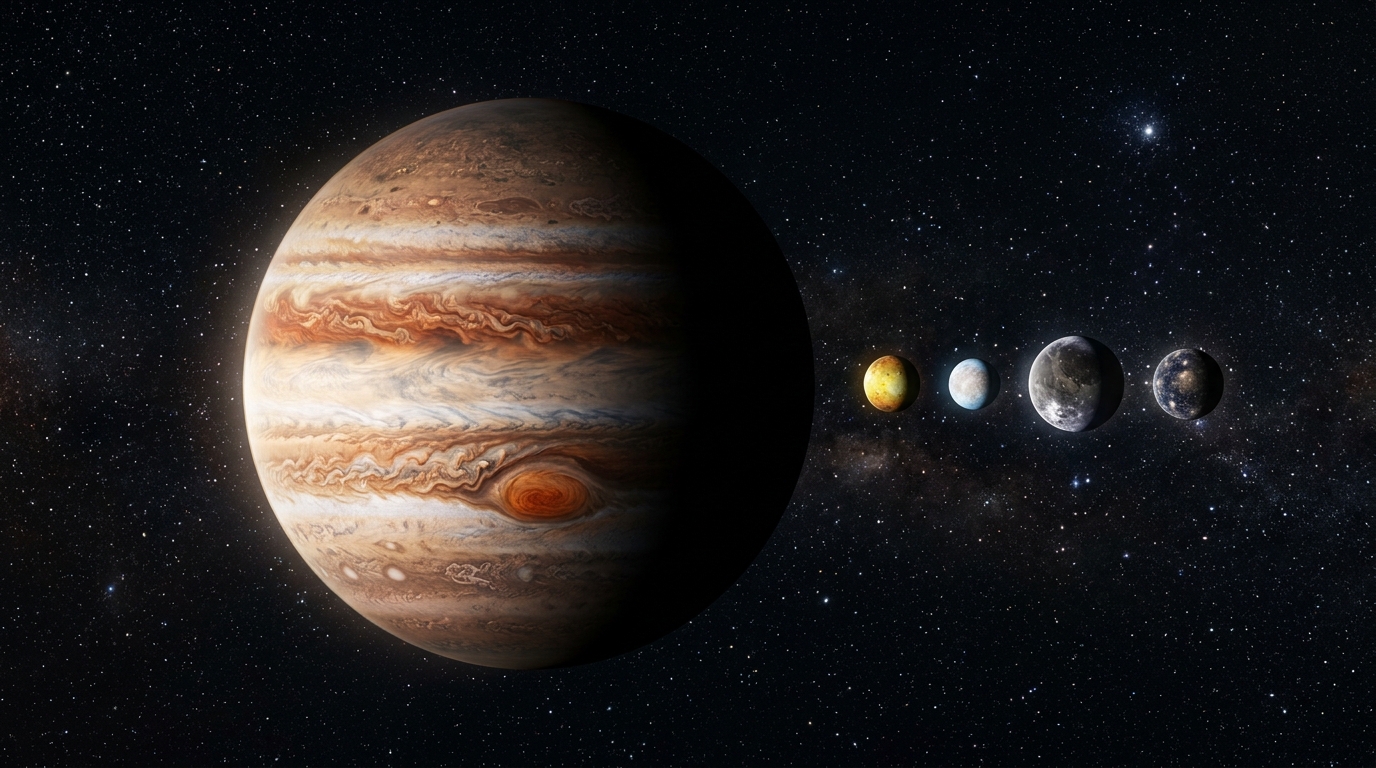
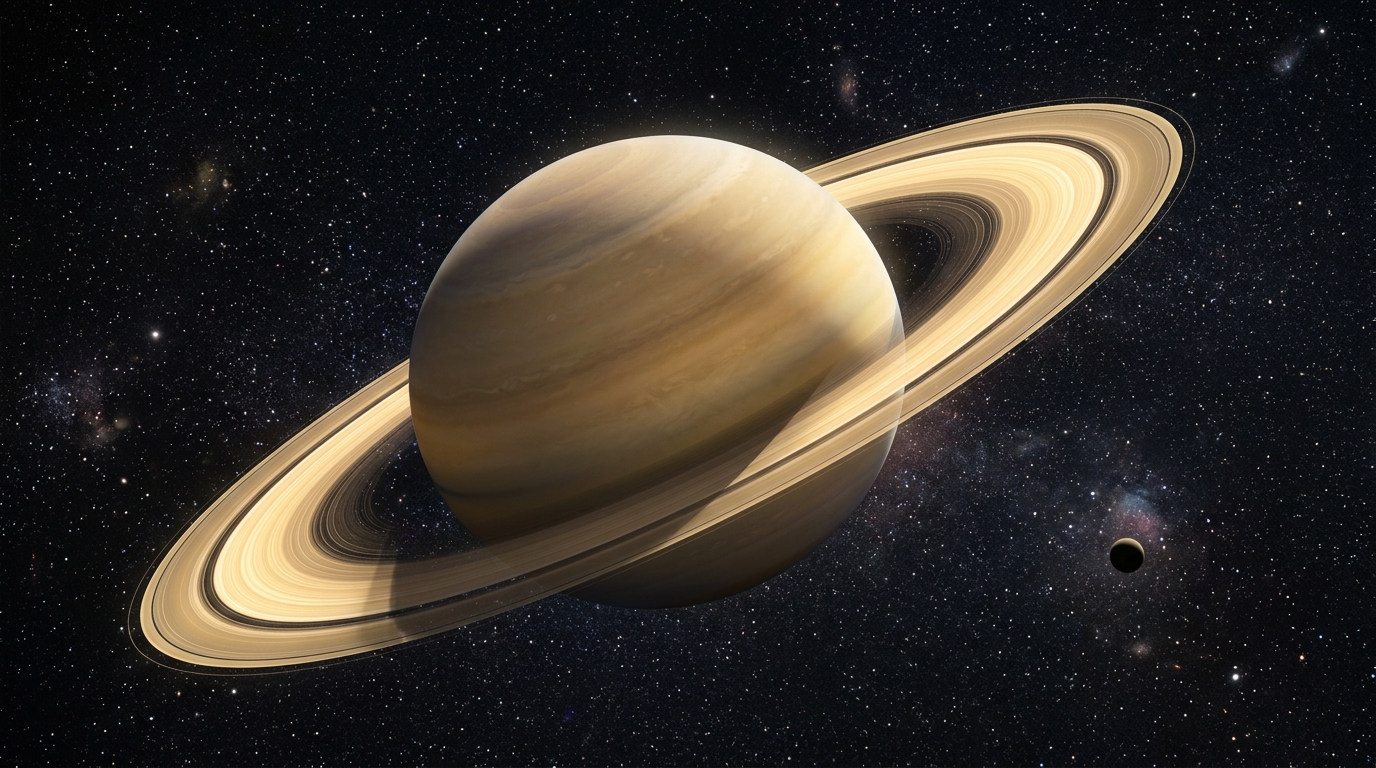
Unlike Jupiter with its gigantic cloud belts and bright moons, or Saturn with its magnificent cosmic halo of rings, Mars is small, fickle, and fiercely demanding. For 90% of its orbital journey, Mars lingers hundreds of millions of kilometers away, appearing as a frustratingly minuscule, jittery orange spark through an eyepiece. But every 26 months, something extraordinary happens: Earth overtakes Mars on the inside orbital track, bringing the Red Planet to Opposition. Suddenly, the planetary disc swells dramatically, unlocking a golden observing window where solid continents of ancient basalt, seasonal white polar caps, and swirling sandstorms become visible right from your backyard.
In this comprehensive backyard Mars observing guide, we will explore the celestial mechanics behind Martian oppositions, the physical anatomy of the polar ice caps, how to decipher real surface albedo features like Syrtis Major, the optical filters that unlock hidden contrast, and the techniques needed to view our neighboring world with razor-sharp clarity.
✦ Quick Answer: How to Observe Mars in 4 Key Steps
- Can You See Mars with Binoculars?: Handheld binoculars (7x50 or 10x50) reveal Mars's striking fiery pumpkin-orange color and track its curious retrograde motion across the zodiac, but Mars's physical disc is too tiny (usually under 20 arcseconds) to resolve surface terrain without a telescope.
- Minimum Telescope Needed: A 70mm to 90mm refractor at 100x to 150x magnification will cleanly reveal Mars as a distinct planetary orb and unveil the bright, gleaming white spot of the North or South Polar Ice Cap. To resolve dark continents like Syrtis Major and Sinus Meridiani, an aperture of 100mm to 200mm (4" to 8") at 150x to 250x is recommended.
- Timing the 26-Month Opposition Window: You cannot observe Mars anytime you wish. Because of Mars's 687-day orbit, prime observing is concentrated in a 2-to-3 month window centered around Opposition (occurring once every 2 years and 2 months). During this window, Mars is closest to Earth, rises at sunset, and shines brightest.
- Use Color Filters to Pierce the Glare: Mars reflects blindingly intense red-orange sunlight that washes out fine details. Screwing a #21 Orange or #23A Light Red filter onto your eyepiece dramatically sharpens dark basalt plains, while a #80A Light Blue filter makes white polar caps, morning limb hazes, and dust storms pop with crisp contrast.
The Orbit of Extremes: Understanding the 26-Month Opposition Cycle
To succeed at observing Mars, you must first understand why its apparent size changes more drastically than any other planet in the solar system. Mars orbits the Sun at an average distance of 228 million kilometers (1.52 AU), taking roughly 687 Earth days—nearly two full Earth years—to complete a single orbit.
Because Earth travels faster on an inside track, it laps Mars once every 780 days (approximately 25.6 months). This moment of celestial alignment is called Opposition, because Mars lies directly opposite the Sun in our sky. At opposition, three crucial events occur simultaneously:
- Closest Approach to Earth (Perigee): The distance between Earth and Mars shrinks from a distant 400 million kilometers down to between 55 and 100 million kilometers.
- All-Night Visibility: Mars rises in the east at sunset, reaches its highest point in the southern sky at midnight (in the Northern Hemisphere), and sets at dawn.
- Maximum Apparent Size & Brightness: Mars's apparent angular diameter swells from a tiny 3.5 arcseconds (barely larger than a star point) up to between 14.5 and 25.1 arcseconds, while its brightness skyrockets to a blazing magnitude -2.0 to -2.9, outshining even giant Jupiter!
Explore Mars's eccentric orbital trajectory in 3D using our interactive 3D Solar System Explorer.

Perihelic vs. Aphelic Oppositions: Not All Oppositions Are Created Equal
Unlike Venus or Earth, whose orbits are nearly perfect circles, Mars travels along a noticeably eccentric (stretched) elliptical path. Its distance from the Sun varies by over 42 million kilometers between its closest point (perihelion) and farthest point (aphelion). Consequently, Earth-Mars oppositions fall into two broad categories:
- Perihelic Oppositions (The Giants): Occur when opposition coincides with Mars near its perihelion. Mars approaches within 55 to 60 million km of Earth, swelling to a massive 24 to 25.1 arcseconds. These occur in 15-to-17-year cycles (such as the historic 2003 and 2018 oppositions). However, during perihelic oppositions, intense solar heating frequently triggers planet-wide dust storms.
- Aphelic Oppositions (The Sharp Views): Occur when Mars is near its aphelion. Mars only approaches to within 95 to 101 million km, reaching an apparent size of 14 to 16 arcseconds. While visually smaller, aphelic oppositions occur when Mars is in northern celestial declinations (climbing much higher in the sky for Northern Hemisphere observers) and the atmosphere is cold and dust-free, often yielding the crispest views of fine surface features!
| Opposition Date | Closest Distance (Million km) | Apparent Diameter | Peak Visual Magnitude | Favorable Hemisphere & Season |
|---|---|---|---|---|
| January 16, 2025 | 96.1 M km | 14.6″ | -1.4 mag | Northern Hemisphere / High sky altitude (Gemini) |
| February 19, 2027 | 101.4 M km | 13.8″ | -1.2 mag | Northern Hemisphere / Late winter frost caps (Leo) |
| March 25, 2029 | 97.2 M km | 14.5″ | -1.3 mag | Equatorial / Vernal equinox seasonal transition (Virgo) |
| May 04, 2031 | 82.8 M km | 16.9″ | -1.8 mag | Southern Hemisphere favorable / Rapid disc growth (Libra) |
| June 27, 2033 | 63.3 M km | 22.1″ | -2.5 mag | Major Perihelic / Giant disc, summer polar thaw (Sagittarius) |
| September 15, 2035 | 56.9 M km | 24.6″ | -2.8 mag | Super-Perihelic / Peak historical observing event (Aquarius) |
Decoding the Martian Surface: Polar Caps, Albedo Plains & Deserts
When you peer through a telescope at Venus or Jupiter, you are gazing at impenetrable cloud decks. Mars, on the other hand, is one of only two bodies in the entire solar system (along with Earth's Moon) where amateur astronomers can resolve solid geological surface landforms from Earth.
Mars's visible disc is divided into three distinct geological and atmospheric phenomena: bright ochre deserts, dark basaltic albedo features, and brilliant white volatile ice deposits.
1. The Polar Ice Caps (Planum Boreum & Planum Australe)
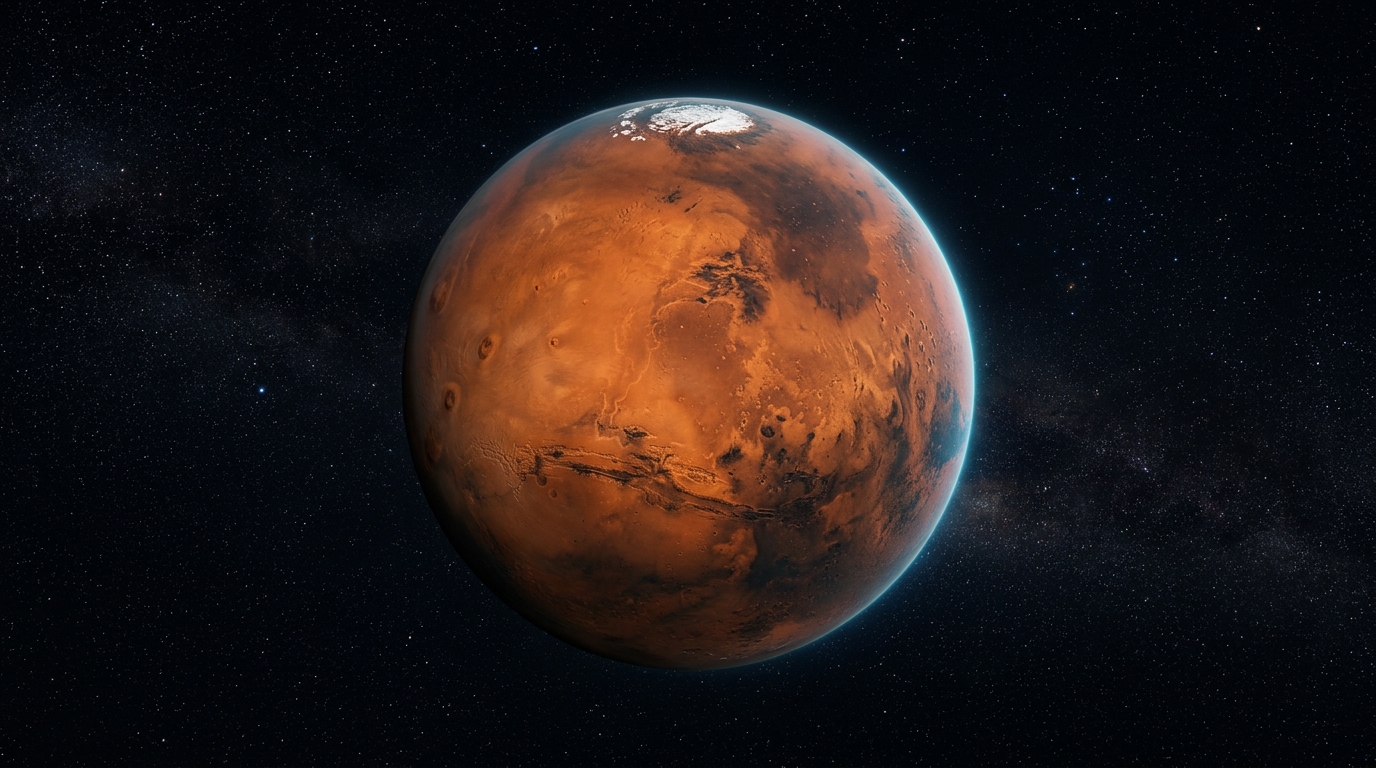
The easiest and most rewarding feature to spot on Mars is its polar caps. Glowing with a brilliant, pearlescent white beacon that pierces through planetary glare, the polar caps resemble tiny dollops of bright vanilla ice cream resting at the top or bottom edge of the planetary disc.
The Martian polar caps are dynamic thermodynamic marvels consisting of two distinct layers:
- Permanent Water-Ice Cap: A thick, multi-kilometer foundation of water ice that remains frozen year-round.
- Seasonal Carbon Dioxide Frost (Dry Ice): During each Martian winter, atmospheric carbon dioxide freezes directly onto the polar cap, creating an expansive seasonal blanket of dry ice that extends down to 50° latitude. As summer arrives, the dry ice sublimes directly back into vapor, causing the cap to shrink dramatically over several weeks.
- The Polar Hood (Winter Clouds): Before a polar cap emerges into spring sunlight, its polar region is veiled by an extensive, diffuse bluish-white atmospheric cloud hood called the North or South Polar Hood, easily isolated using a blue filter.
2. Syrtis Major: The Dark Basaltic Heart of Mars
First recorded in an ink sketch by Dutch polymath Christiaan Huygens in November 1659, Syrtis Major is the most famous and recognizable dark landmark on Mars. Huygens used the repeated reappearance of this distinctive V-shaped dark marking to measure the Martian rotational period for the very first time in human history—calculating it at roughly 24.5 hours (astonishingly close to the modern value of 24 hours, 37 minutes, and 22 seconds!).
Syrtis Major is not an ocean or vegetation, as 19th-century astronomers once speculated, but a colossal low-relief volcanic shield of dark, unweathered basaltic lava fields kept free from orange dust by persistent regional wind currents.
3. Sinus Meridiani & Mare Tyrrhenum
Near the Martian equator lies Sinus Meridiani (the Meridian Bay), an elongated dark finger pointing west that serves as the prime meridian (0° longitude) for Martian cartography. Further south and east stretch Mare Tyrrhenum, Mare Cimmerium, and Mare Sirenum—an expansive belt of dark basaltic highlands that contrasts sharply with the pale orange expanse of Arabia Terra and the dust bowl of Amazonis Planitia.
4. Hellas Basin: The Giant False Polar Cap
Located in Mars's southern hemisphere, Hellas Planitia is an immense ancient impact basin over 2,300 kilometers (1,400 miles) in diameter and 7 kilometers deep. Because it is so deep, atmospheric pressure inside the basin is higher than elsewhere on the planet. During southern winter and spring, Hellas Basin frequently traps dense water-ice ground fog and frost, glowing so brilliantly white through a telescope that beginners routinely mistake it for a second South Polar Cap!
Did You Know? The Martian day, known as a sol, lasts 24 hours, 39 minutes, and 35 seconds—just 41 minutes longer than an Earth day. Because Mars rotates at nearly the exact same rate as Earth, if you observe Mars at the same hour tomorrow night, the planet will have completed almost one full rotation, showing you virtually the exact same surface features shifted by just 9 degrees in longitude! To see the opposite side of Mars, observe 4 to 5 hours later, or wait two to three weeks as the 41-minute daily offset gradually cycles all 360 degrees into your viewing window.
Telescope Equipment Guide: What You Can See by Aperture
Because Mars is compact and bright, high optical quality and careful collimation matter far more than sheer light-gathering bucket size. Here is what you can realistically expect across common telescope apertures under steady skies:
| Telescope Class | Recommended Magnification | Visible Martian Details |
|---|---|---|
| Small Refractor (70mm - 80mm / 2.8" - 3.1") | 80x - 120x | Clear orange planetary disc; bright white polar cap during favorable opposition; phase effect (gibbous shape) when away from opposition. |
| Small Reflector / Mak (90mm - 102mm / 3.5" - 4") | 120x - 160x | Definite polar cap edge; prominent dark albedo features like Syrtis Major and Sinus Meridiani visible during central meridian transit; limb hazes. |
| Medium Scope (127mm - 150mm / 5" - 6" SCT or Dob) | 160x - 220x | Subtle shading within dark maria; receding polar cap melting stages; Hellas Basin frost; morning and evening limb clouds; dust storm initiation. |
| Large Aperture (200mm - 280mm / 8" - 11" SCT or Dob) | 200x - 300x+ | High-resolution planetary details: rift valleys within the polar cap, white orographic clouds cloaking Olympus Mons, subtle albedo variations across Mare Cimmerium. |
The Observer's Secret Weapon: Eyepiece Color Filters
If you ask experienced planetary observers for the single most important accessory for observing Mars, they will not say a bigger telescope: they will say color filters. Mars's surface features are subtle variations of tone overlaid on a dazzling orange canvas. Screwing a standard 1.25-inch threaded Wratten optical glass filter onto your eyepiece transforms your view:
- Wratten #21 (Orange) or #23A (Light Red): The essential filter for Mars. By blocking blue and green wavelengths, it dramatically darkens the greenish-gray basalt maria (Syrtis Major, Mare Erythraeum) against the bright ochre deserts, revealing sharp continental boundaries.
- Wratten #80A (Light Blue) or #82A (Pale Blue): Essential for atmospheric observing. Blue filters render the surface deserts dark while making white clouds, polar caps, morning limb frosts, and the famous high-altitude Martian cirrus hazes shine with radiant contrast.
- Wratten #56 or #58 (Green): Superb for detecting the early onset of localized yellow dust storms and evaluating the precise boundary rim of melting polar ice.
- Variable Polarizing Filter: Essential during perihelic oppositions when Mars is close and intensely bright. Adjusting the dual polarized glass elements cuts glare to comfortable levels, preventing eye fatigue and preserving retina contrast sensitivity.
Mastering Atmospheric Seeing: The Antoniadi Scale & Cooling
Mars is famous for revealing the truth about your local atmosphere. Because the planet's angular disc is relatively compact, even minor heat currents will smear its delicate features into a blurry orange orb. To unlock photographic-level planetary views, apply these three critical optical rules:
1. Thermal Acclimation is Mandatory
A telescope stored inside a heated home or air-conditioned room holds warm air inside its optical tube. When carried outside, heat convection currents swirl across the primary mirror or objective lens like miniature mirages. Always place your telescope outside at least 45 to 60 minutes prior to observing Mars to equalize its optics with ambient air.
2. Wait for Transit (Altitude Over Horizon)
Never attempt high-magnification planetary observing when Mars is low near the horizon. When observing an object 15 degrees above the horizon, you are peering through more than three times as much turbulent atmosphere as when the object is overhead. Wait until Mars reaches its highest point in your sky (transit time) to minimize atmospheric shimmer and chromatic dispersion.
3. Consider an Atmospheric Dispersion Corrector (ADC)
When Mars is positioned lower in the sky, Earth's atmosphere acts like a prism, splitting the planet's light into a red fringe on top and a blue fringe on the bottom. An Atmospheric Dispersion Corrector (ADC) uses two counter-rotating prisms to recombine these dispersed wavelengths before they hit your eyepiece, instantly restoring crisp contrast to the polar cap and dark maria.
✦ Backyard Observer Checklist for Peak Mars Stargazing
Frequently Asked Questions (FAQ)
Why does Mars look like a tiny, blurry orange ball with no details in my telescope?
There are three common culprits: (1) You may be observing outside the 26-month opposition window when Mars is hundreds of millions of kilometers away and too small to resolve; (2) Your telescope optics haven't thermally cooled to outdoor temperatures; or (3) Atmospheric turbulence ("seeing") is poor. Wait for a steady night during opposition, ensure your optics are fully acclimated, and use magnifications between 150x and 220x paired with a #21 orange filter.
Can I see Olympus Mons or Valles Marineris in an amateur telescope?
You cannot see the canyon walls of Valles Marineris directly because they are too narrow for Earth-based optical resolution. However, during favorable oppositions, Valles Marineris frequently fills with bright white morning fog, revealing its 4,000-km path as a distinct bright streak. Similarly, while Olympus Mons itself blends into the orange dust plains, its 22-km summit penetrates above Mars's lower atmosphere, frequently creating a distinct white orographic water-ice cloud (the "Olympus cloud") easily spotted in 6-inch to 8-inch scopes with a blue filter!
What happens during a Martian Global Dust Storm?
During perihelic oppositions when Mars is closest to the Sun, solar heating generates massive convective thermal plumes. Occasionally, localized dust storms in the southern hemisphere merge into a colossal, planet-encircling dust storm that blankets the entire globe for months at a time (as occurred during the 2018 opposition). Through a telescope, all dark albedo markings fade away, leaving only the brilliant white polar cap poking out above a featureless, pale butterscotch orb.
Can you see Mars's moons, Phobos and Deimos?
Phobos (magnitude 11.3) and Deimos (magnitude 12.4) are technically bright enough for medium telescopes, but they orbit extremely close to the blazing disc of Mars. Their faint light is utterly overwhelmed by the planet's dazzling glare. To spot them, experienced observers use an occulting bar eyepiece (a tiny metal strip inside the eyepiece that blocks the brilliant planet while leaving the surrounding dark space visible) on a steady 10-inch or larger telescope.
Conclusion: An Interplanetary Voyage from Your Backyard
Observing Mars is one of the most intellectually rewarding journeys in amateur astronomy. While deep-sky nebulas remain majestic but static across human lifetimes, Mars is an active, weather-beaten frontier. In the span of a single month, you can watch a polar ice cap sublime into vapor, trace the rotation of centuries-old basalt plains first drawn by Christiaan Huygens, and witness localized dust plumes sweep across ancient canyons.
As the Red Planet climbs high into your sky tonight, set up your optics, let your telescope cool beneath the stars, and experience the thrill of looking across the interplanetary void at our neighboring world. Clear skies and happy observing!