Gravitational Waves Explained: How LIGO Hears the Universe
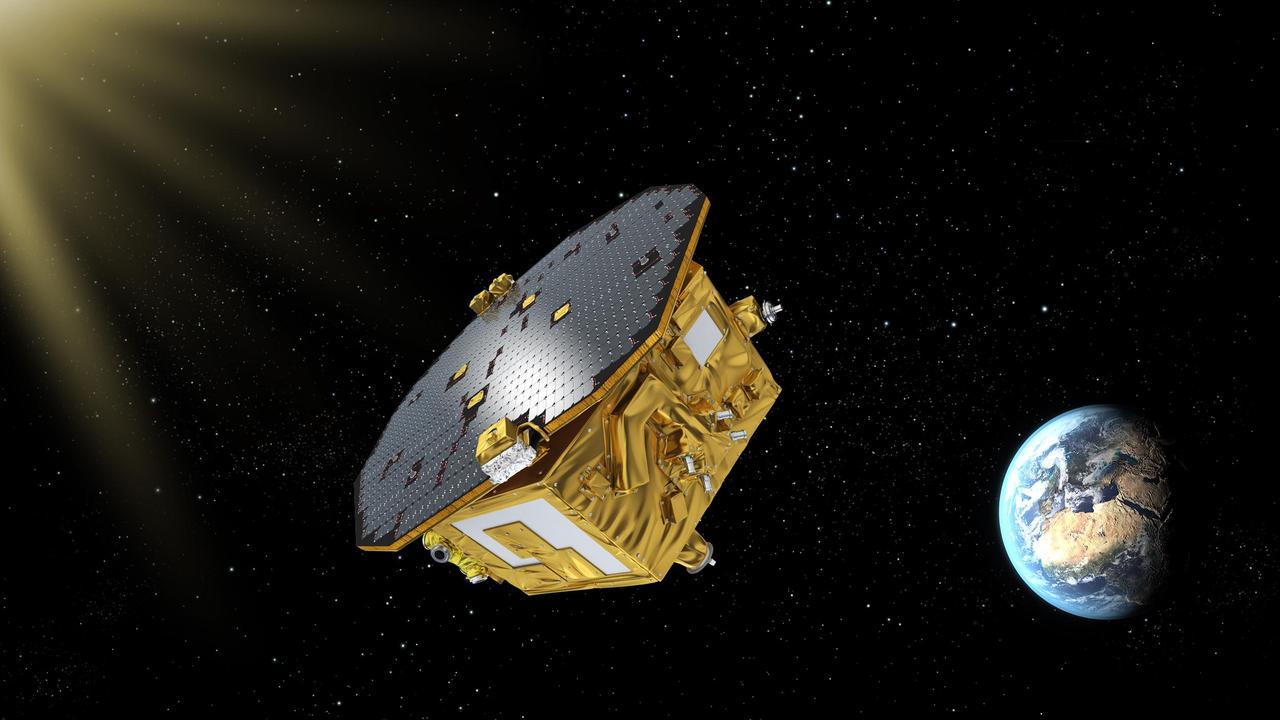
Learn how black-hole and neutron-star mergers create gravitational waves, how LIGO detects tiny changes in distance, and what these cosmic signals reveal.
Discover in-depth stargazing guides, astrophysics deep-dives, and cutting-edge space science discoveries.
Learn how black-hole and neutron-star mergers create gravitational waves, how LIGO detects tiny changes in distance, and what these cosmic signals reveal.
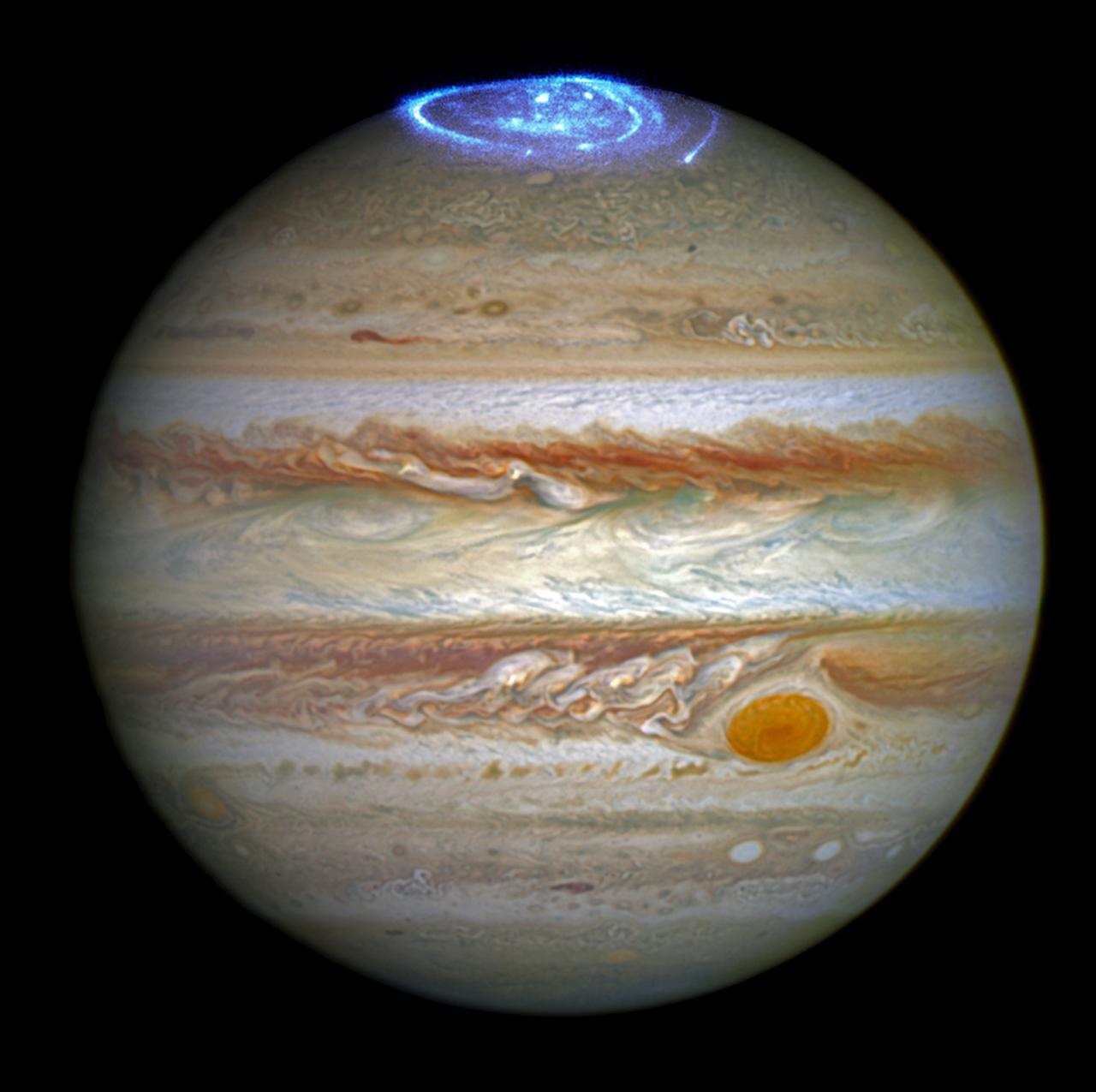
Earth's northern and southern lights are not a one-planet phenomenon. Spacecraft and the Hubble Space Telescope have found auroras on Jupiter, Saturn, Mars, Uranus and even Venus. The light may be ...

Learn how to observe Venus's changing phases, reduce glare with practical filters, and choose better twilight viewing times with a backyard telescope.

Learn when Mars is best placed for a backyard telescope and how conditions affect views of polar caps, albedo features and dust storms around opposition.

Observe the King of Planets with backyard optics. Learn how to track the Great Red Spot, spot the four Galilean moons, resolve atmospheric cloud belts, and witness lunar shadow transits.

Seeing Saturn through an eyepiece is a milestone for every stargazer. Here is your complete guide to resolving the Cassini Division, spotting moons like Titan and Enceladus, and mastering planetary magnification.

Catching a meteor shower is one of the most thrilling night-sky experiences. Here is your complete guide to peak dates, radiant points, dark sky preparation, and essential stargazing tips.
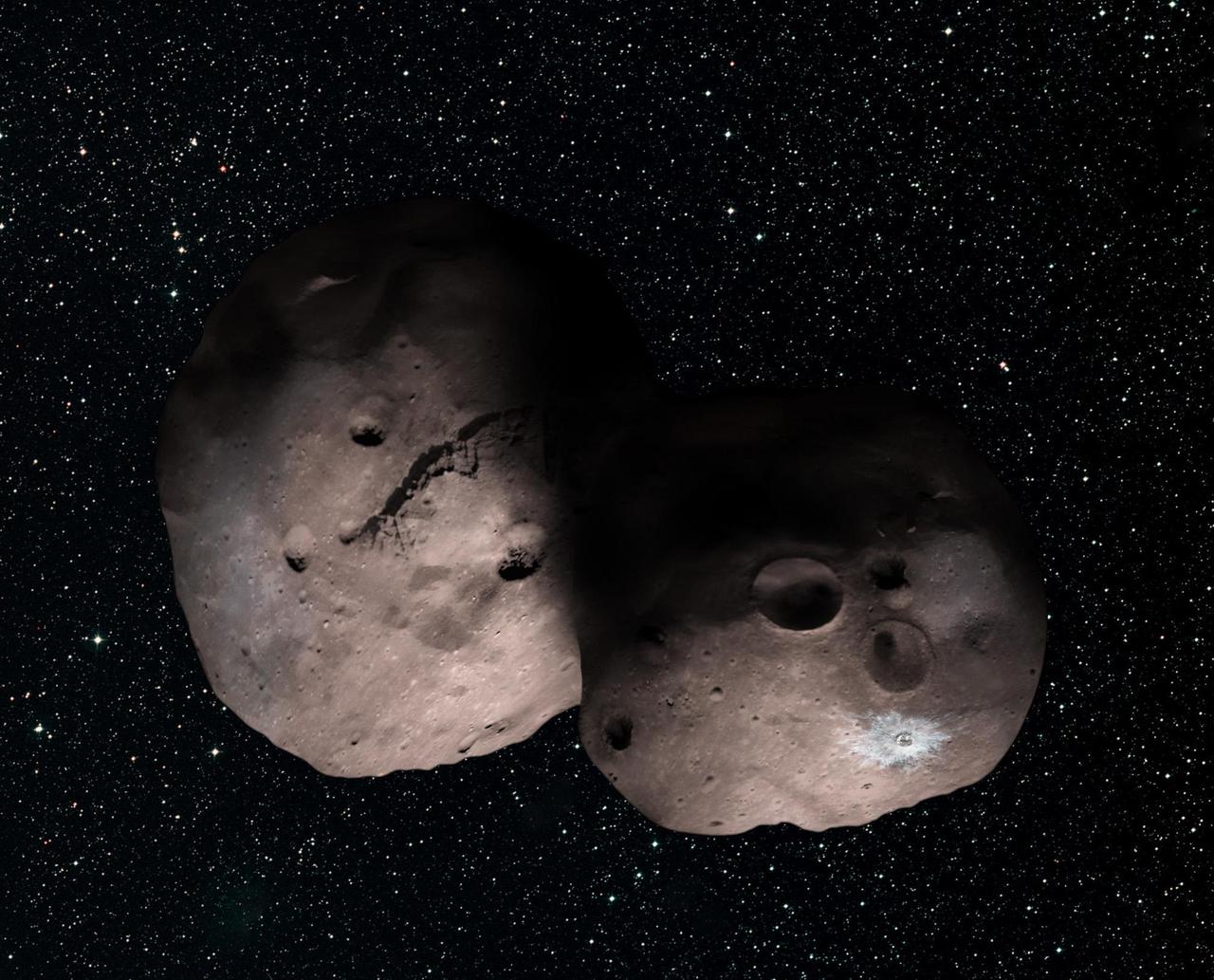
Explore the Kuiper Belt's icy bodies, orbital resonances and links to the formation and continuing evolution of the outer solar system.
Binary star systems, which consist of two stars orbiting a common center of mass, have long fascinated astronomers and space enthusiasts alike. These celestial duos offer a unique window into stellar evolution...
Lunar eclipses have long been a source of fascination for humans, with their mesmerizing display of celestial mechanics and awe-inspiring beauty. Here is how Rayleigh scattering creates the blood moon.
As we gaze up at the night sky, we are met with a breathtaking tapestry of colors. Explore how hydrogen alpha, oxygen-III, and sulfur-II create the vibrant palette of emission and reflection nebulae.
For decades, scientists have been fascinated by the enigmatic presence of dark matter, a mysterious entity that makes up approximately 27% of the universe's mass-energy density.
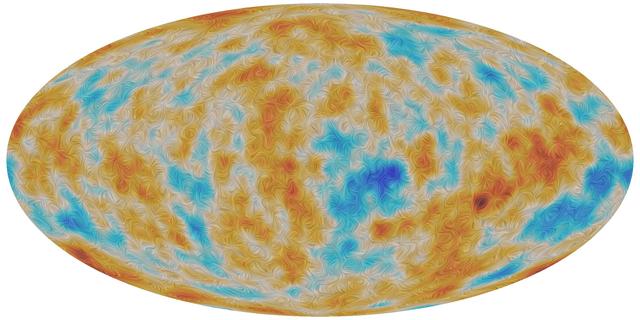
The cosmic microwave background is an ancient radiation map released about 380,000 years after the Big Bang that constrains the early universe's contents and geometry.
Learn what cosmic rays are, why most are high-energy protons and nuclei, how magnetic fields deflect them, and what their sources reveal about extreme astrophysics.
How do black holes slowly evaporate over cosmic epochs? Explore quantum field theory in curved spacetime and Stephen Hawking's revolutionary discovery.
Explore the extreme ice mantle of Uranus. Discover superionic water ice, methane atmospheric dynamics, extreme magnetic fields, and upcoming probe exploration.
We aren't just counting exoplanets anymore — we are decoding the chemical makeup of their skies. Here is how scientists read the invisible air of worlds hundreds of light-years away.
Learn how observations revealed accelerated cosmic expansion and why dark energy remains a name for an unresolved component or gravity model.